
Anúncios
Living a life that balances longevity with intensity isn’t about choosing one over the other—it’s about harmonizing both to create a existence that’s both meaningful and sustainable.
In today’s fast-paced world, we’re constantly bombarded with conflicting messages about how to live our best lives. Some experts advocate for slow living and stress reduction to maximize our years on earth, while others encourage us to live boldly, take risks, and experience everything life has to offer. The truth? You don’t have to choose between a long life and a vibrant one. The real secret lies in understanding how to blend intensity with sustainability, creating a lifestyle that fuels both your passion and your health.
Anúncios
This comprehensive guide will explore the science, strategies, and mindset shifts needed to master this delicate balance. Whether you’re a young professional burning the candle at both ends or someone in midlife reassessing priorities, these insights will help you design a life that’s both exhilarating and enduring.
🧬 The Science Behind Longevity: What Actually Matters
Understanding what truly extends our lifespan helps us make informed decisions about where to invest our energy. Recent longevity research has identified several key factors that consistently predict longer, healthier lives across different populations and cultures.
Anúncios
The Blue Zones—regions where people regularly live past 100—offer invaluable insights. Researchers studying Okinawa, Sardinia, Ikaria, Nicoya, and Loma Linda discovered that longevity isn’t primarily about genetics. In fact, genetics account for only about 20-30% of lifespan variance. The remaining 70-80% comes down to lifestyle choices and environmental factors we can control.
Key longevity factors include consistent physical activity (not necessarily intense exercise), strong social connections, purpose-driven living, moderate caloric intake, plant-heavy diets, and stress management practices. Interestingly, none of these require sacrificing life’s pleasures or avoiding all risks.
The Telomere Connection: Your Biological Clock
Telomeres—the protective caps on our chromosomes—serve as biological markers of aging. Each time our cells divide, telomeres shorten slightly. When they become too short, cells can no longer divide properly, leading to aging and disease. Nobel Prize-winning research has shown that certain lifestyle factors accelerate or slow this process.
Chronic stress, poor sleep, sedentary behavior, and inflammatory diets accelerate telomere shortening. Conversely, regular exercise, meditation, quality sleep, and anti-inflammatory diets help preserve telomere length. This doesn’t mean avoiding all stress—acute, manageable challenges can actually strengthen our systems through a process called hormesis.
⚡ The Power of Intensity: Why Playing It Safe Isn’t Always Best
While longevity research emphasizes moderation, there’s compelling evidence that intensity—when applied strategically—enhances both life quality and potentially even lifespan. The key lies in understanding the difference between chronic stress and acute challenges.
High-intensity interval training (HIIT), for example, produces superior health benefits compared to steady-state cardio in significantly less time. These brief bursts of intense effort trigger cellular adaptations that improve cardiovascular health, metabolic function, and even cognitive performance. The intensity is the feature, not the bug.
Beyond physical exercise, psychological research shows that challenging experiences—starting a business, learning difficult skills, traveling to unfamiliar places, or pursuing ambitious goals—contribute to life satisfaction and personal growth. People who report high life satisfaction often describe their lives as meaningful rather than easy.
The Hormesis Principle: Stress That Makes You Stronger
Hormesis refers to beneficial biological responses to low doses of stressors that would be harmful in larger amounts. Cold exposure, heat therapy through saunas, intermittent fasting, and vigorous exercise all activate hormetic responses that strengthen our bodies’ resilience systems.
These controlled stressors activate cellular repair mechanisms, enhance mitochondrial function, reduce inflammation, and improve stress tolerance. The critical factor is recovery—intense challenges followed by adequate rest create an upward spiral of adaptation and growth.
🎯 Finding Your Personal Balance Point
The optimal balance between longevity and intensity isn’t universal—it’s deeply personal and changes throughout life. A framework for finding your balance involves assessing your current life stage, health status, values, and goals.
Start by honestly evaluating your current lifestyle. Are you chronically stressed with inadequate recovery? Or perhaps you’re so cautious that you’ve stopped challenging yourself? Neither extreme serves long-term thriving. The sweet spot involves regular challenges bookended by genuine recovery periods.
The 80/20 Approach to Sustainable Intensity
Consider structuring your life around an 80/20 principle: 80% of your time focused on sustainable, health-promoting behaviors, with 20% reserved for higher-intensity pursuits, calculated risks, and peak experiences. This ratio provides enough stability to support longevity while maintaining the intensity that makes life exciting.
In practice, this might mean maintaining consistent sleep schedules, regular moderate exercise, and healthy eating most days (the 80%), while occasionally pushing boundaries through challenging projects, adventure travel, or intense training periods (the 20%). The foundation of healthy habits creates capacity for occasional intensity without depleting your reserves.
💪 Physical Practices: Training for Both Performance and Longevity
Your exercise approach significantly impacts both lifespan and healthspan—the years you remain healthy and functional. The most effective programs combine different training modalities rather than focusing exclusively on one approach.
Research supports a weekly exercise mix that includes: 150-300 minutes of moderate cardio (walking, cycling, swimming), 2-3 sessions of strength training covering all major muscle groups, 1-2 high-intensity interval sessions, and daily movement variety including stretching and balance work.
This combination addresses cardiovascular health, maintains muscle mass (which declines naturally with age), preserves bone density, maintains metabolic health, and keeps the nervous system adaptable. None of these alone is sufficient, but together they create comprehensive physical resilience.
Movement Diversity: The Longevity Secret You’re Missing
Beyond structured exercise, movement diversity throughout daily life may be even more important than gym sessions. Blue Zone populations don’t do CrossFit or marathon training—they incorporate natural movement into daily routines through gardening, walking, manual labor, and household tasks.
Modern life has engineered movement out of our days. Deliberately reintroducing varied movement patterns—taking stairs, carrying groceries, sitting on the floor, playing with children, doing yard work—provides low-level physical stress that maintains functional capacity without overtaxing recovery systems.
🧠 Mental and Emotional Intensity: Growth Without Burnout
Psychological challenges and emotional intensity contribute significantly to a meaningful life, but chronic psychological stress is among the most potent longevity threats. Differentiating between productive challenge and destructive stress is essential.
Productive challenges share certain characteristics: they’re voluntary, have clear goals, provide feedback, match your skill level (slightly beyond current abilities), and include built-in endpoints. Think learning a language, completing a meaningful project, or training for an event. These create eustress—positive stress that promotes growth.
Destructive stress typically involves feeling trapped, lacking control, facing chronic uncertainty, experiencing value conflicts, or dealing with threats to basic needs. This creates distress that accelerates aging and diminishes wellbeing.
Building Psychological Resilience Through Practice
Just as physical training builds physical resilience, deliberately practicing stress resilience enhances your capacity to handle intensity without burning out. Effective practices include regular meditation or mindfulness training, cognitive reframing techniques, maintaining strong social support networks, and developing stress-inoculation through controlled challenges.
Apps focused on meditation and mental fitness can support this practice. Programs that teach progressive stress management techniques help build your psychological capacity systematically.
🍽️ Nutritional Strategies: Fueling Intensity and Longevity
Your dietary approach profoundly affects both how you feel today and how long you’ll thrive. Fortunately, the same nutritional principles that support longevity also optimize performance and energy for intense pursuits.
Longevity-promoting diets share common features regardless of specific approach: they emphasize whole, minimally processed foods; include abundant vegetables and fruits; contain moderate protein from diverse sources; include healthy fats from nuts, seeds, fish, and olive oil; and minimize added sugars and ultra-processed foods.
For those pursuing intense physical or mental challenges, nutrient timing and adequate protein become more important. Consuming protein after training supports recovery, while strategic carbohydrate intake fuels high-intensity efforts. The foundation remains the same—it’s about additions, not contradictions.
The Fasting-Feasting Rhythm
Intermittent fasting has gained popularity partly because it mirrors natural human eating patterns and triggers beneficial metabolic adaptations. Time-restricted eating (consuming food within an 8-12 hour window) provides many benefits without extreme restriction.
This approach creates natural periods of cellular cleanup (autophagy) while allowing adequate nutrition during eating windows. For active individuals, timing the eating window around training and activity periods maintains performance while preserving fasting benefits.
😴 Recovery: The Missing Link in the Intensity Equation
Perhaps the most overlooked factor in balancing longevity and intensity is recovery. High performers in every domain—athletes, entrepreneurs, artists, leaders—understand that adaptation happens during recovery, not during the challenge itself.
Sleep represents the foundation of recovery. Adults need 7-9 hours nightly for optimal health, cognitive function, emotional regulation, and physical recovery. Chronic sleep deprivation accelerates aging, impairs decision-making, weakens immunity, and increases disease risk more than almost any other factor.
Beyond sleep, active recovery practices include light movement on rest days, massage or bodywork, sauna or cold therapy, nature exposure, social connection, and engaging in restorative hobbies. These aren’t luxuries—they’re essential infrastructure for sustainable high performance.
Tracking Your Recovery: Using Data Wisely
Heart rate variability (HRV), resting heart rate, sleep quality metrics, and subjective wellness indicators help identify when you’re recovered and ready for intensity versus when you need additional rest. Many fitness trackers and health apps now provide this data.
The key is using this information to adjust your approach rather than ignoring signals that you need recovery. A low HRV reading might mean shifting from high-intensity training to restorative movement, preventing the accumulation of stress that leads to burnout or injury.
🌟 Purpose and Meaning: The Ultimate Longevity Factor
Research consistently shows that having a sense of purpose—what the Japanese call “ikigai”—predicts longevity independent of other health behaviors. People with clear purpose live longer, recover better from illness, and maintain cognitive function longer than those without direction.
Purpose provides the framework that makes intensity meaningful rather than merely stressful. When challenges connect to deeper values and goals, they become growth opportunities rather than threats. This psychological reframe changes how our bodies respond at a cellular level.
Finding or clarifying your purpose doesn’t require dramatic revelation. It often involves noticing what energizes you, identifying where your skills meet others’ needs, and aligning daily actions with core values. Purpose emerges from living intentionally rather than arriving as sudden insight.
🤝 Social Connection: Intensity Shared Is Intensity Sustained
Strong social relationships rank among the most powerful longevity predictors, rivaling the effects of smoking cessation and exercise. Yet modern life increasingly isolates us, with many reporting fewer close friendships than previous generations.
Interestingly, pursuing intense experiences with others—team sports, group fitness, collaborative projects, shared adventures—simultaneously strengthens social bonds and provides beneficial challenges. This combination makes intensity more sustainable because the social reward buffers the physiological stress.
Prioritizing relationship time isn’t just emotionally fulfilling—it’s a concrete longevity strategy. Regular meaningful social interaction reduces inflammation, improves immune function, enhances stress resilience, and provides practical support during difficult periods.
🔄 Adapting Your Approach Across Life Stages
The optimal balance between longevity focus and intensity shifts throughout life. In your 20s and 30s, your body tolerates more intensity with less recovery time, making this an ideal period for ambitious pursuits, skill development, and calculated risks.
In your 40s and 50s, recovery becomes increasingly important, but many people experience peak achievement during these decades because they’ve developed wisdom about sustainable intensity. Strategic intensity focused on high-value activities replaces the scattered intensity of youth.
Beyond 60, maintaining intensity becomes increasingly important for preserving function and vitality, but the type of intensity shifts. Regular challenging exercise, continued learning, meaningful projects, and social engagement combat the decline that many accept as inevitable but is largely preventable.
🎨 Creating Your Personal Longevity-Intensity Protocol
Synthesizing these principles into a personal approach requires experimentation and adjustment. Start by establishing non-negotiables—foundational practices you maintain regardless of circumstances, such as sleep schedule, basic exercise routine, and core relationships.
Next, identify where you want to apply intensity. Rather than trying to maximize everything simultaneously, choose 1-3 areas for focused challenge while maintaining other areas at sustainable baseline levels. This might mean intense career focus while maintaining (not maximizing) fitness, or vice versa.
Build in regular assessment points—monthly or quarterly reviews where you evaluate energy levels, health markers, progress toward goals, and life satisfaction. This prevents drifting into unsustainable patterns and allows course corrections before problems become crises.
Remember that balance doesn’t mean equal allocation—it means appropriate allocation based on current priorities, capacities, and circumstances. Some seasons emphasize building, others recovery. Both contribute to long-term thriving.
🚀 Living Fully While Living Long: The Integration
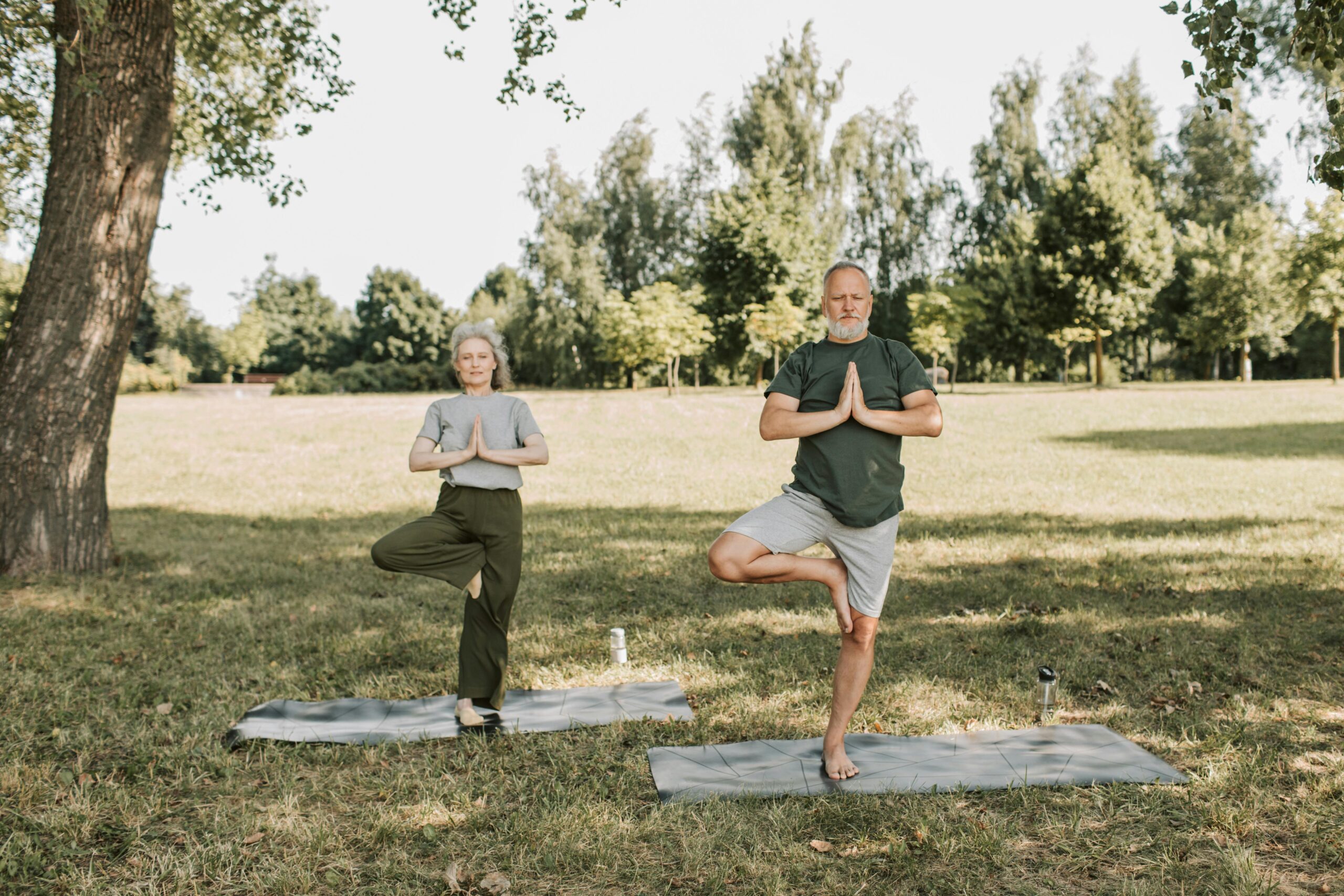
Mastering the balance between longevity and intensity ultimately means rejecting false dichotomies. You don’t have to choose between a long life and a vibrant one, between safety and adventure, between health and achievement. The most successful approach integrates both through conscious design.
The practices that extend lifespan—regular movement, nutrient-dense food, strong relationships, stress management, adequate sleep, and purpose—also provide the foundation that enables sustained intensity. When you build life on these pillars, you create capacity for the challenges and experiences that make existence meaningful.
Conversely, avoiding all intensity in pursuit of longevity often backfires. Bodies and minds that aren’t regularly challenged lose capacity. Use it or lose it applies to nearly every system. Strategic intensity maintains the vitality that makes additional years worthwhile.
The goal isn’t living forever—it’s maximizing the quality and quantity of your years through intelligent choices. This means sometimes pushing limits and sometimes resting deeply. It means pursuing ambitious goals while maintaining health fundamentals. It means living boldly within a framework of sustainability.
Start where you are. Identify one longevity-promoting practice to establish and one area where you’ll embrace more intensity. Build gradually, pay attention to your body’s feedback, and adjust based on results rather than dogma. Your thriving life emerges from this ongoing practice of balance, not from finding a perfect formula and following it forever.
The secrets of longevity and intensity aren’t really secrets at all—they’re time-tested principles waiting for your personal application. The question isn’t whether you can have both, but rather how you’ll design your unique integration. Your most vibrant, enduring life awaits on the other side of that choice. ✨
